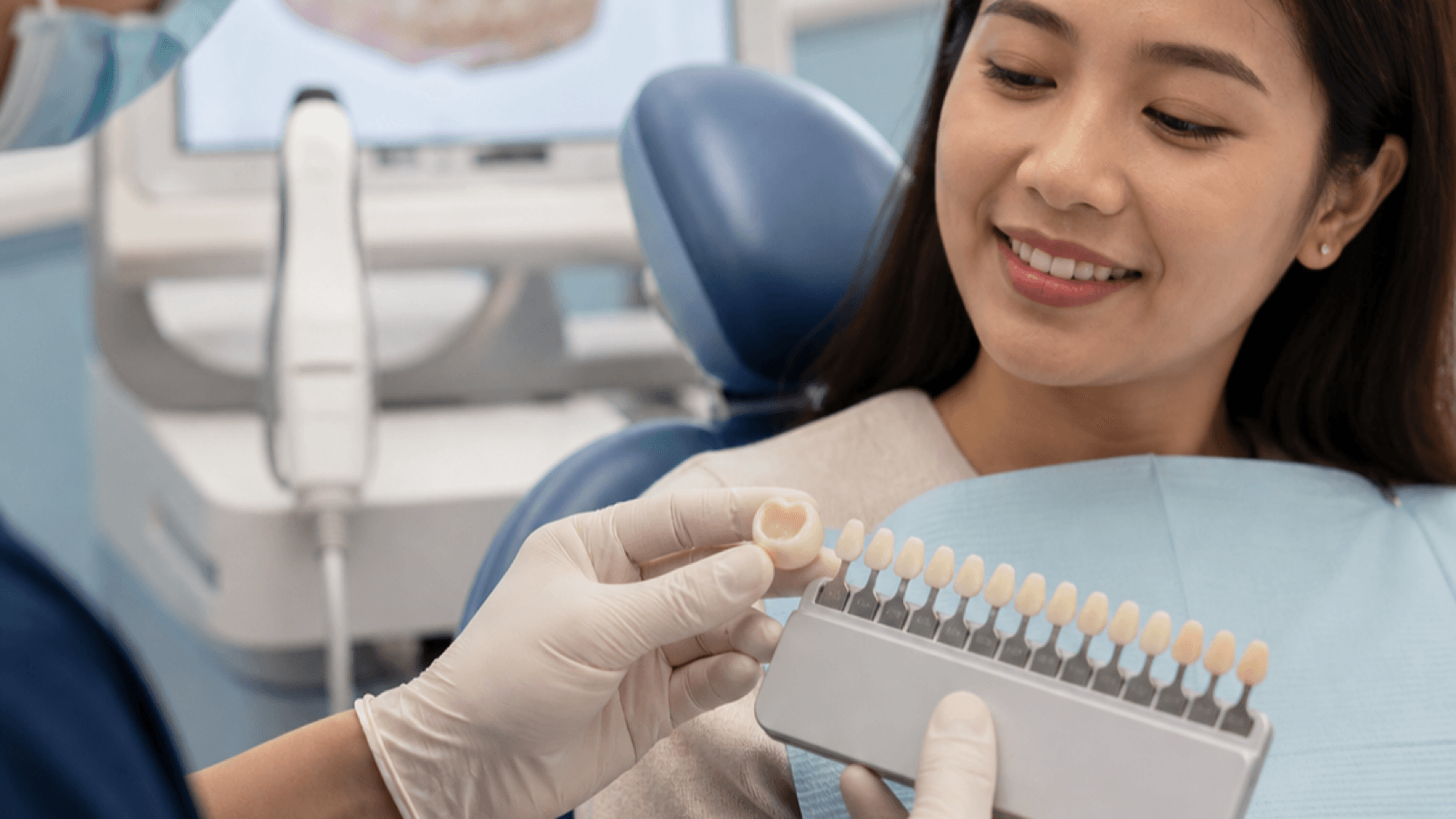
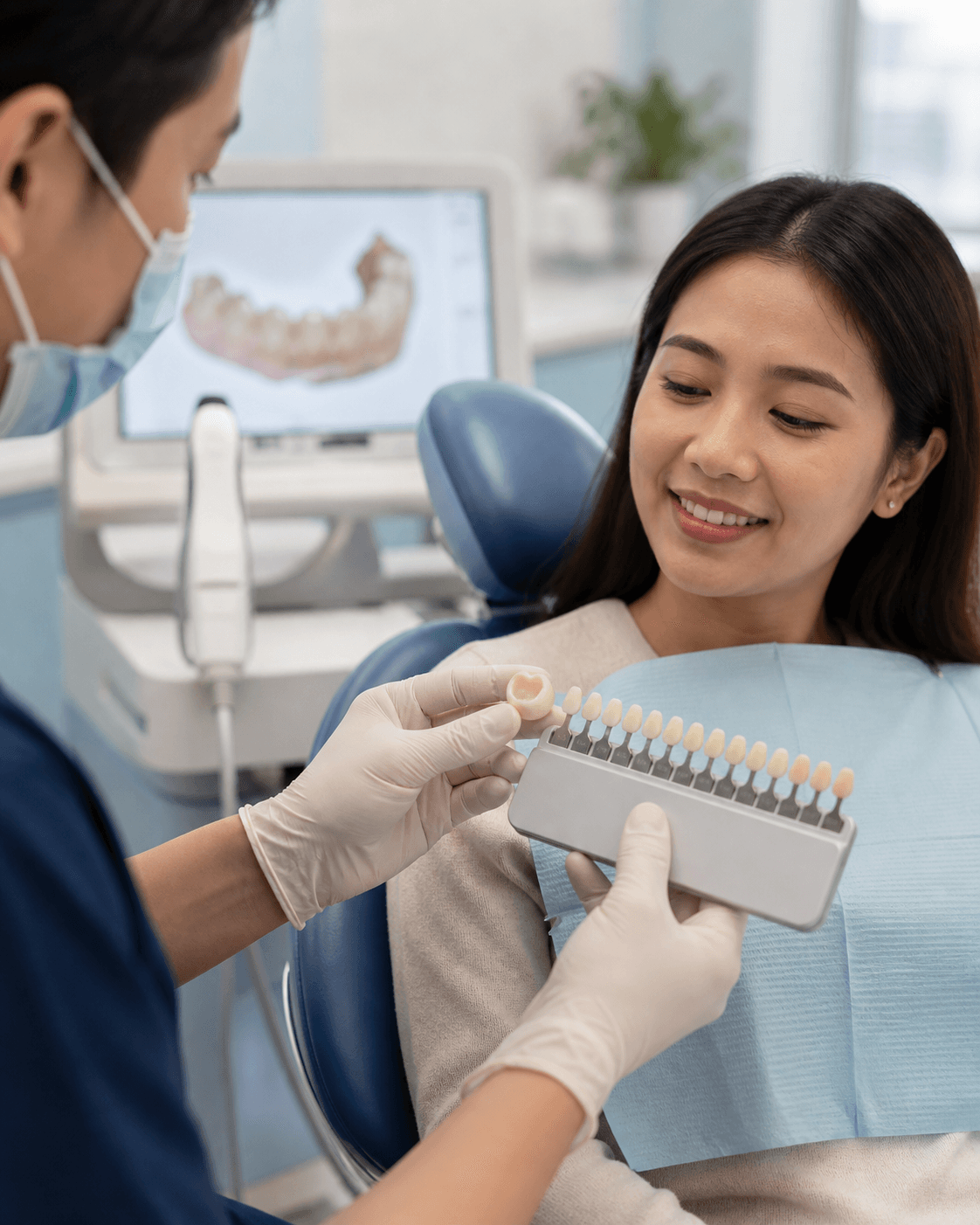
Step 1
Consultation and 3D scan
We examine your mouth and use digital X-rays and CBCT imaging to plan around the structures beneath the gums.
- Bone quality
- Bone quantity
- Nerve position
- Sinus location
- Overall treatment suitability
Replace Missing Teeth
Missing teeth can affect more than just your smile. They can make eating difficult, affect your speech, and lead to shifting teeth and bone loss over time.

You may be a suitable candidate if you have:
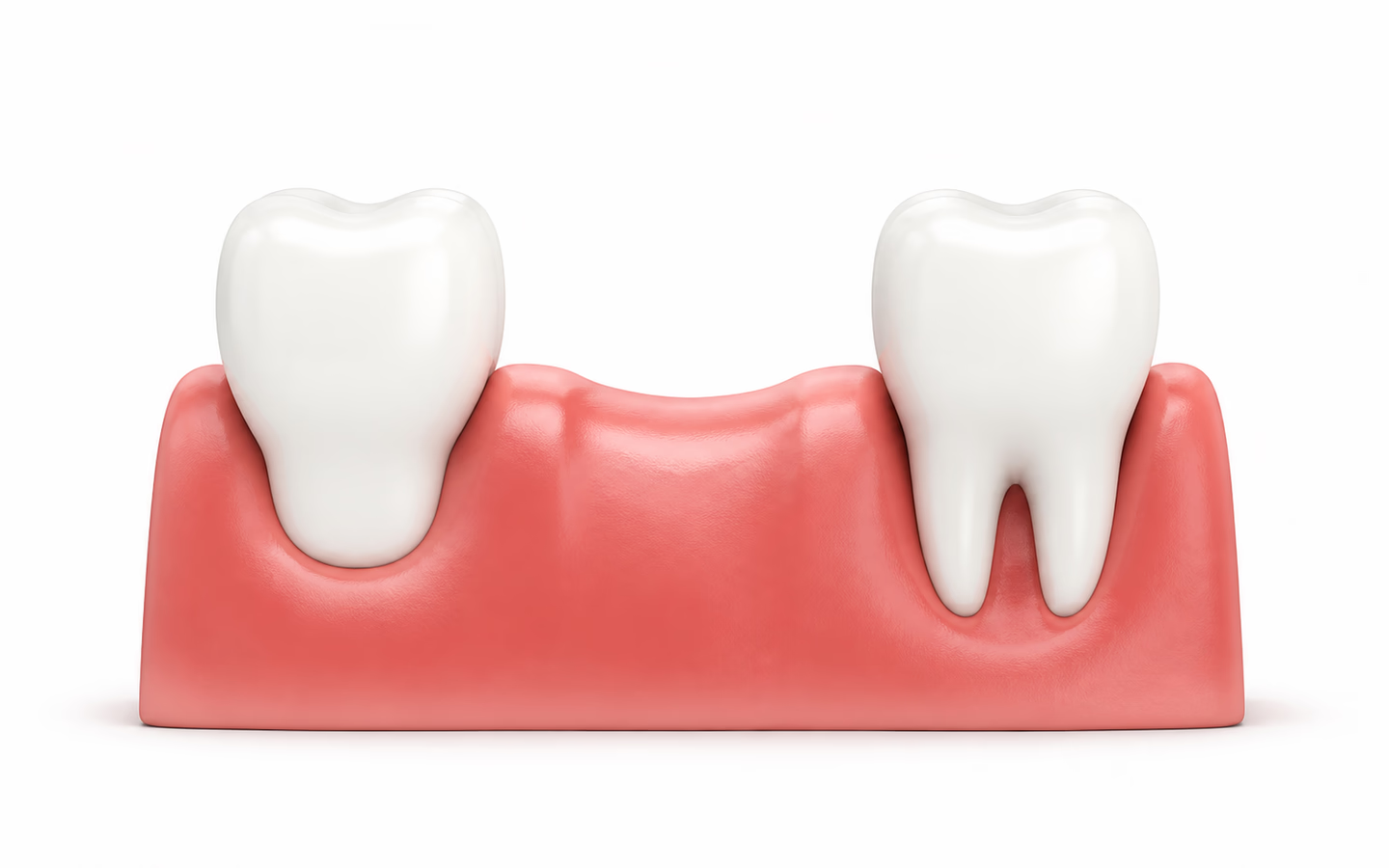
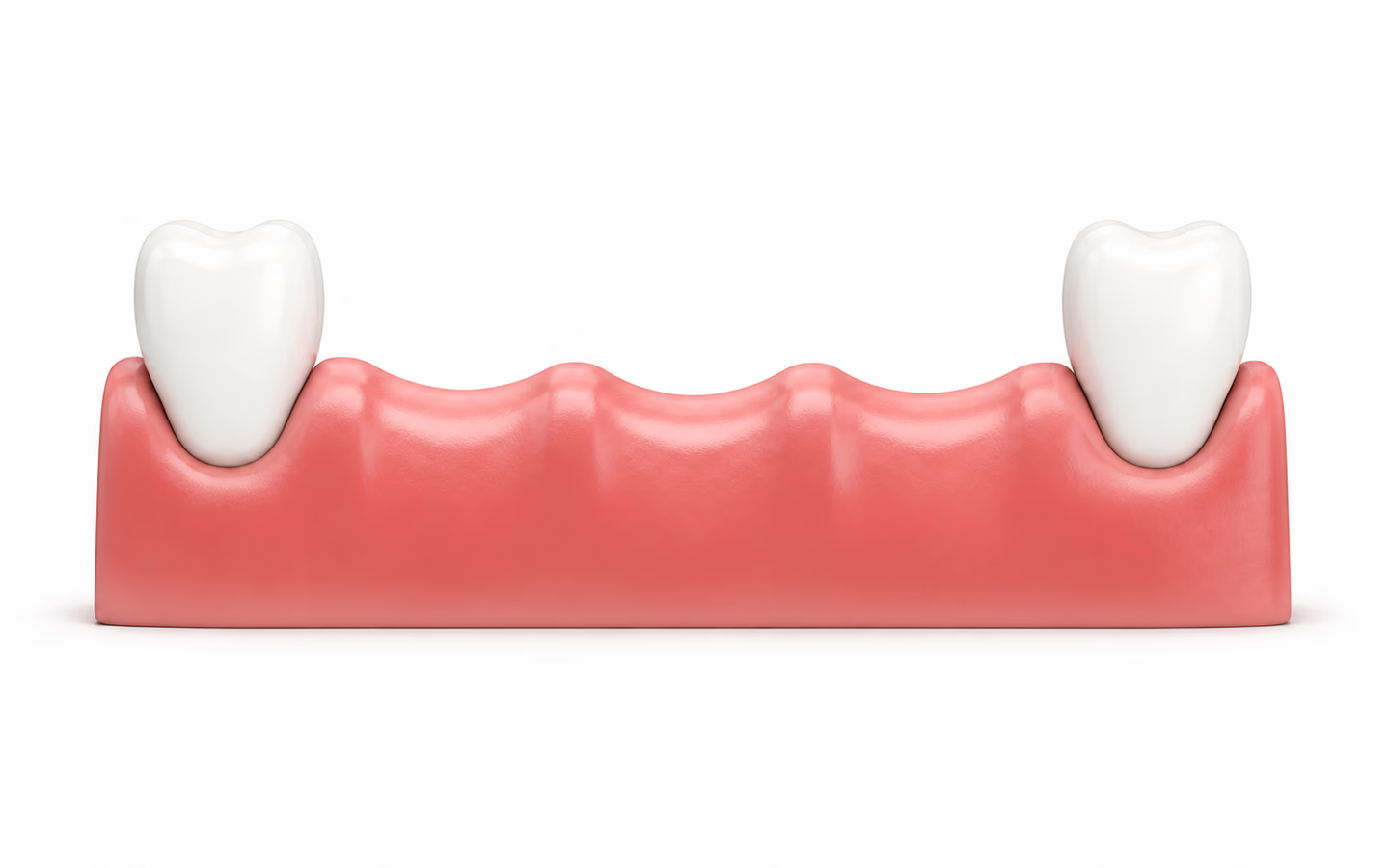
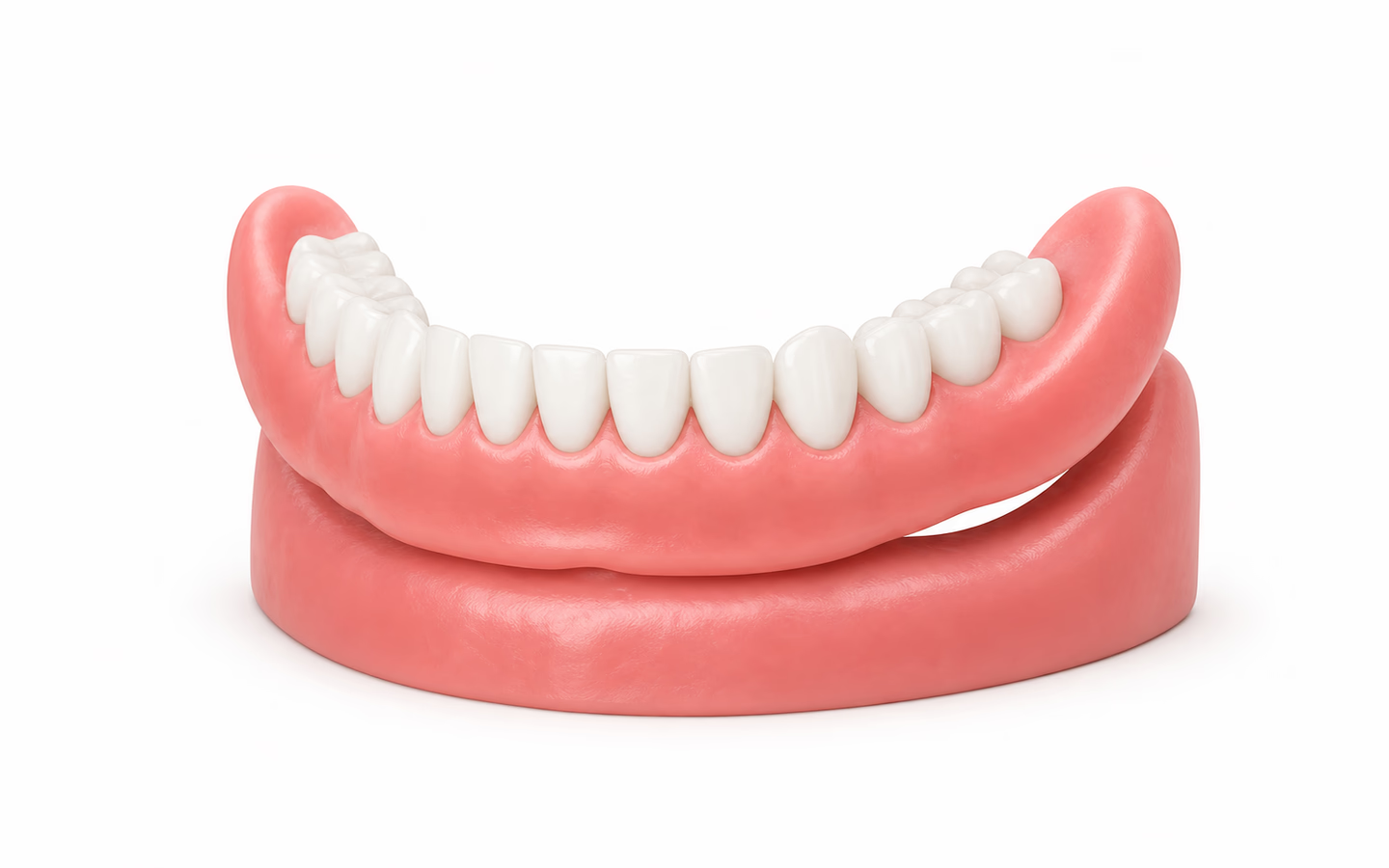
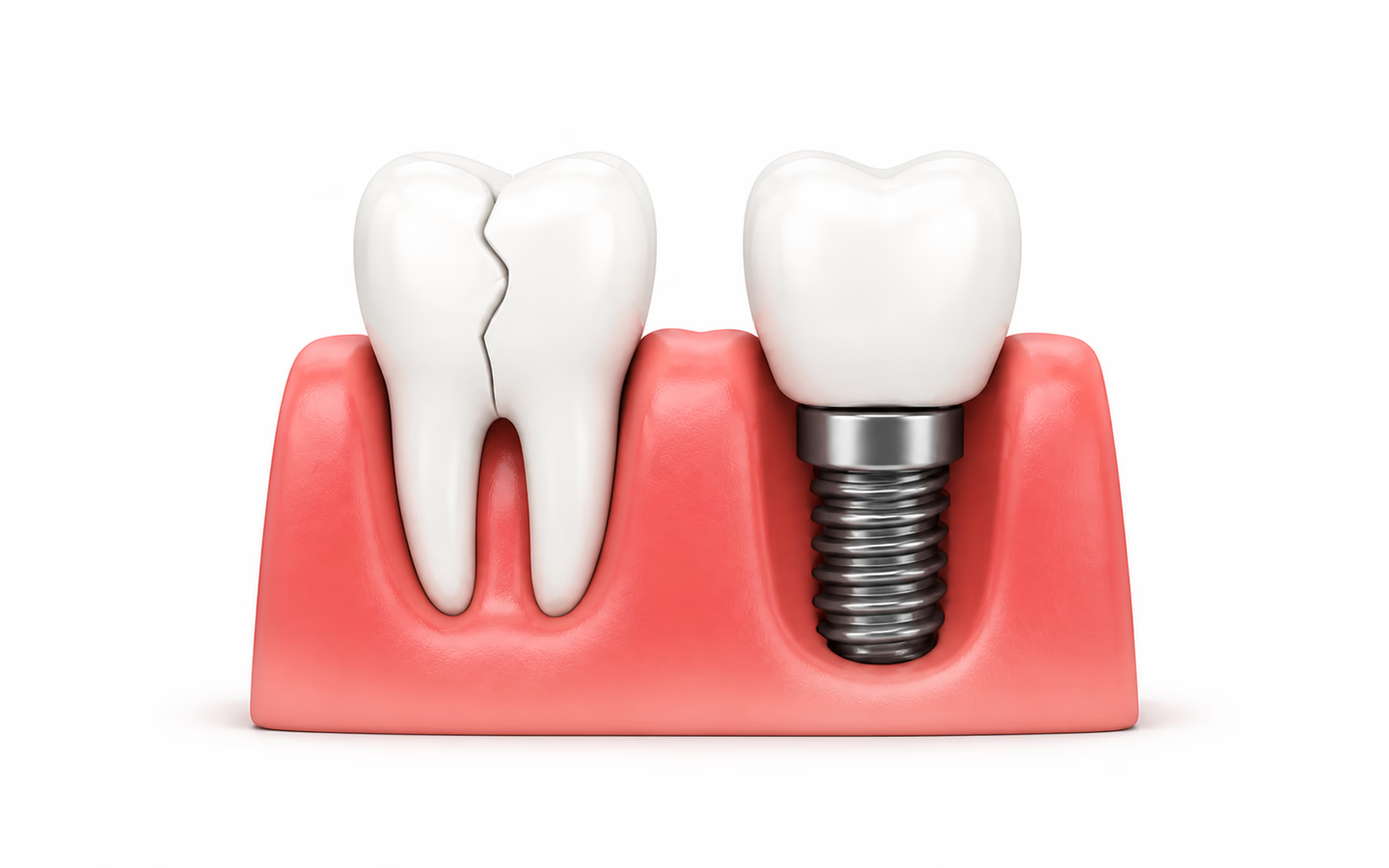

Final suitability depends on a clinical examination, medical history and the available bone around the missing tooth.
Leaving a missing tooth untreated may lead to:
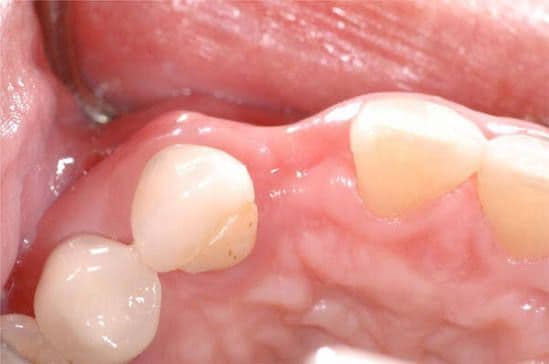
Replacing a missing tooth can help maintain oral health, chewing function and your smile.
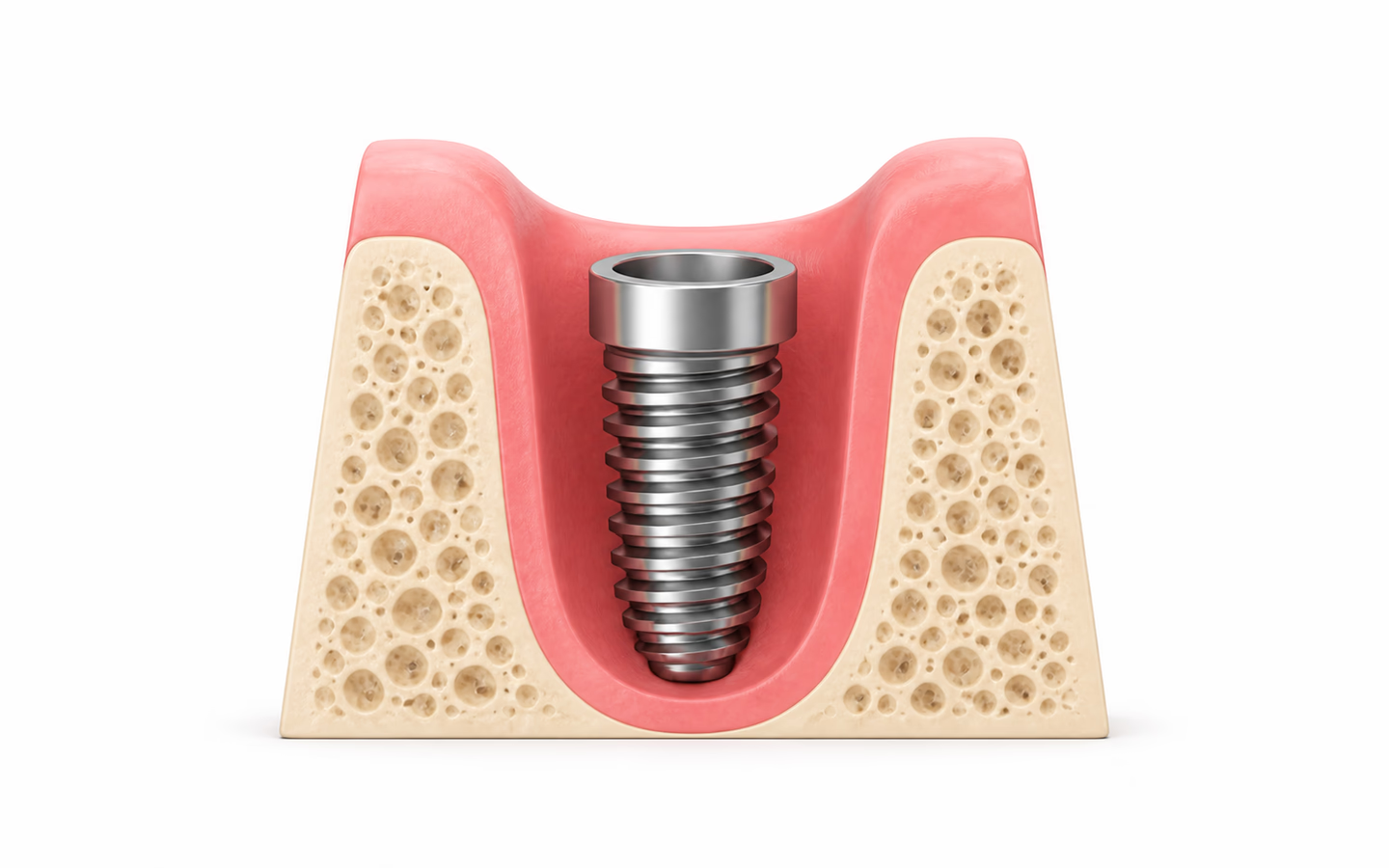
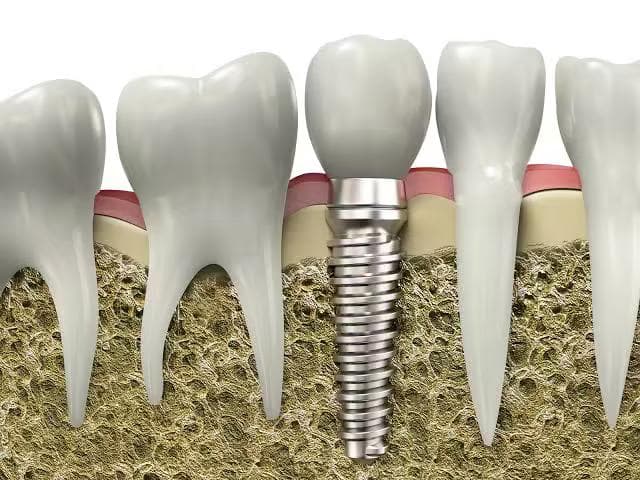
A dental implant is a titanium post placed into the jaw bone to replace the root of a missing tooth. After healing, a custom-made dental crown is attached to restore the appearance and function of the tooth.
Step 1
We examine your mouth and use digital X-rays and CBCT imaging to plan around the structures beneath the gums.
Step 2
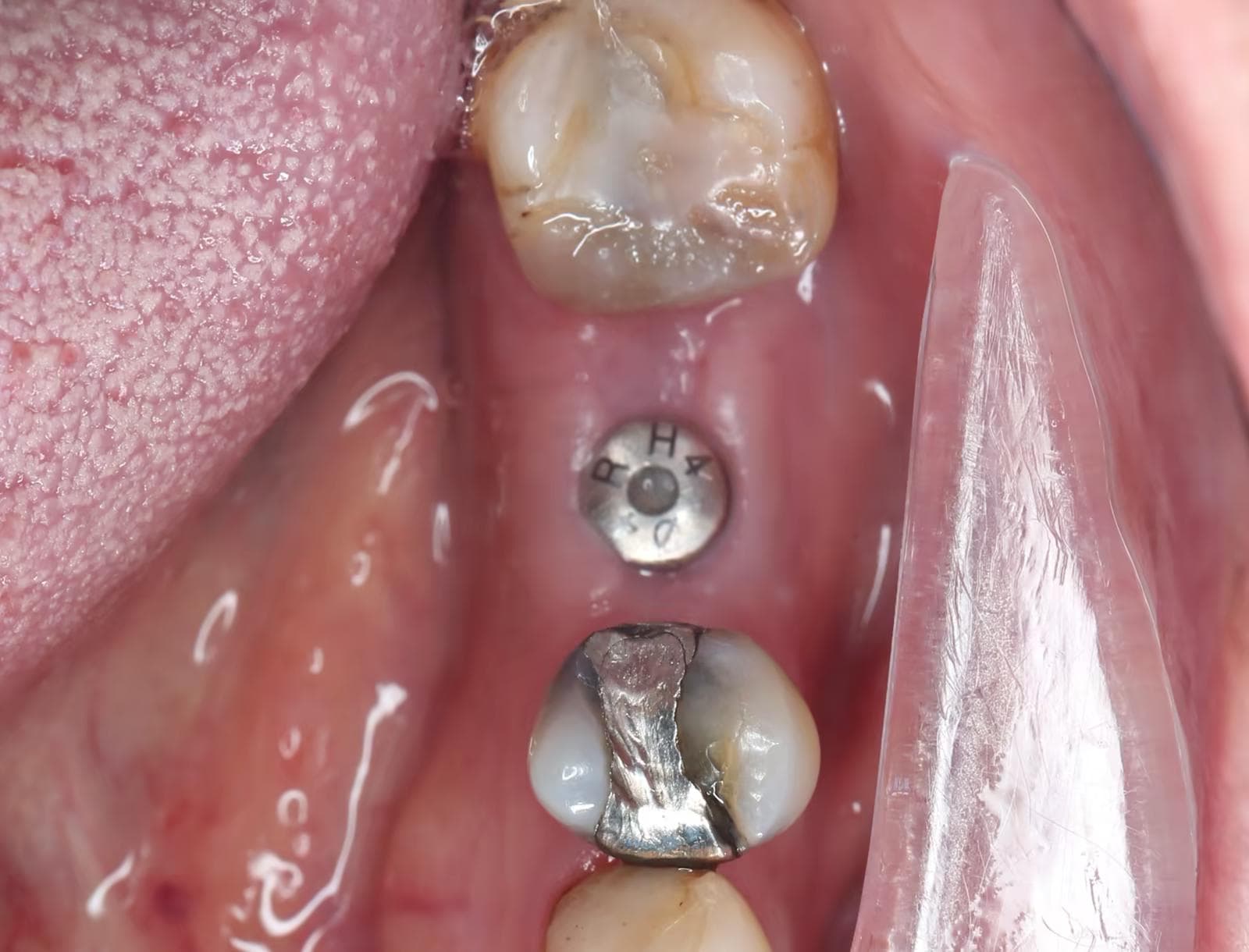
The implant is placed under local anaesthesia. Many patients describe the procedure as more comfortable than a tooth extraction, although individual experiences vary.
Healing usually takes 3-6 months while the implant bonds with the bone.
Step 3
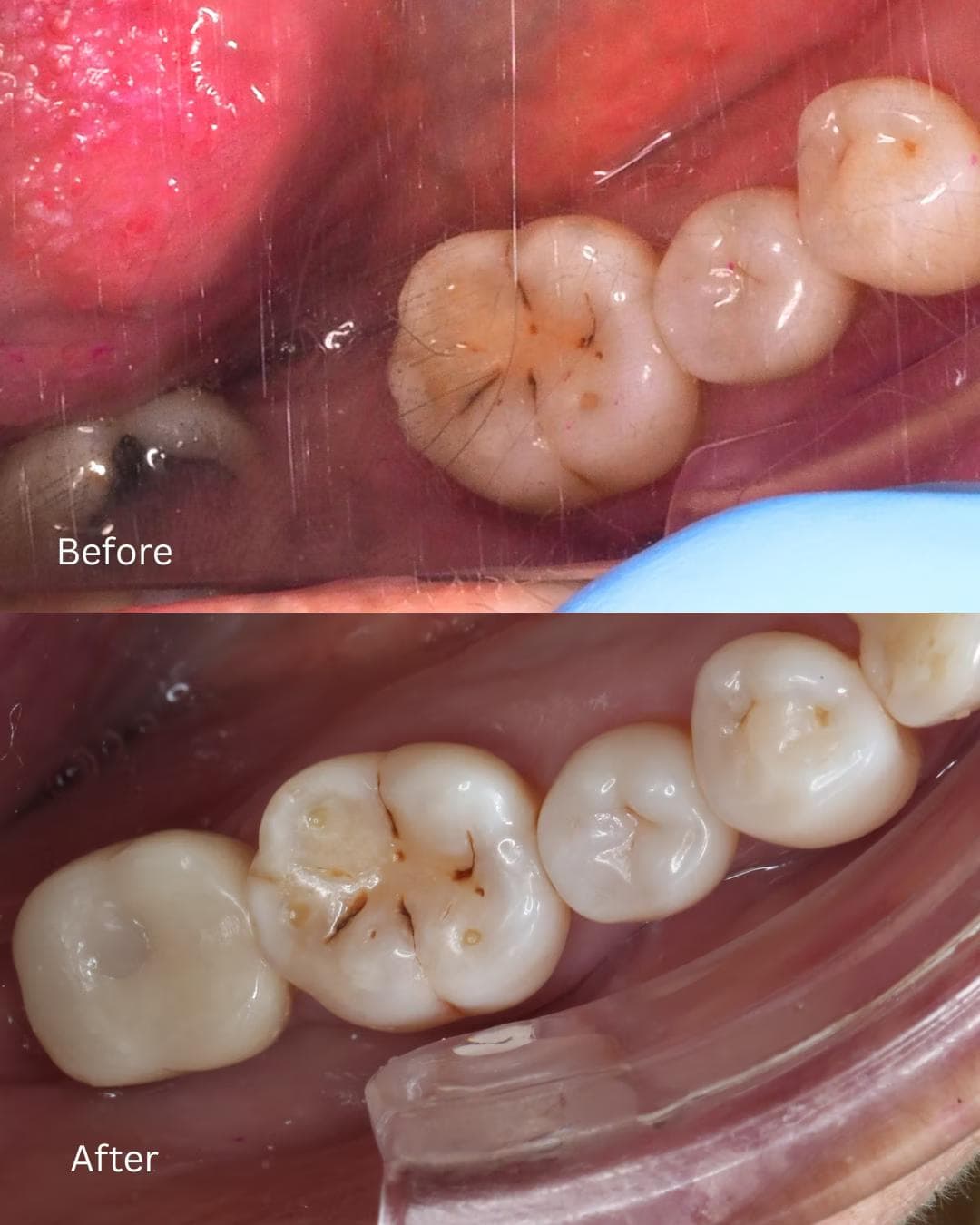
Once healing is complete, a custom zirconia or porcelain dental crown is attached and matched with the surrounding teeth.
Compared with bridges or dentures, implants can:
At Aloha Dental JB, implant planning is performed digitally to understand the bone, nearby structures and final tooth position before treatment.
Digital planning supports more precise implant positioning and a treatment plan tailored to your anatomy.
The procedure is performed under local anaesthesia. Many patients describe implant placement as more comfortable than a tooth extraction, although experiences vary. Any discomfort usually settles within a few days.
Most implant cases take 3-6 months from implant placement to the final dental crown, depending on healing. Some selected cases may qualify for immediate implants or temporary teeth.
With good oral hygiene and regular maintenance, dental implants can last many years and often decades. Their lifespan depends on gum health, bite forces, general health and ongoing care.
Age is usually not the main limiting factor. If you are medically suitable and have adequate bone, or can undergo bone augmentation, implant treatment may still be considered after assessment.
Bone grafting or a sinus lift may be recommended to rebuild the jaw before or during implant placement. Not every case needs grafting, so imaging is required before deciding.
Brush and floss normally, attend regular dental reviews and maintain healthy gums. Consistent home care and professional maintenance are important for long-term implant health.
“Hi Dr Caren, I'm good after the tooth extraction. Thank you for treating me in the most assuring and comfortable manner. Might see you in the near future for denture.”
“As a neurodivergent patient, a trip to see the dentist has always been an overwhelming sensory and communication experience. However, I am lucky to have met Doctor Caren as she is an exceptionally kind, understanding and intuitive dentist. My three years experience with her has been great as she has helped me overcome my fear in dental procedures by explaining to me “Why” and “How” and also showing me how her tools work before we begin. Her assurance and calm manner puts my nerves at ease and make me feel that everything will be alright!”
“My teeth no longer hurt and I don't feel any pain when I bite. Thank you so much :>”
WhatsApp us where the tooth is missing and how long it has been missing so we can guide the right assessment.