Some children do not need braces immediately. Some only need monitoring. Others benefit from early jaw guidance before the bite becomes harder to correct. The useful question is not, Does my child need braces now? It is, Is my child's jaw growth and bite developing in the right direction?
At Aloha Dental in Johor Bahru, early jaw guidance is used to assess how your child's jaws, teeth, lips, tongue, breathing habits and bite are growing together. It is especially useful when parents notice crowding, overbite, underbite, crossbite, mouth breathing or thumb sucking habits.
This guide is written in the same direct way parents ask us questions in clinic. If you already know what you are seeing at home, you can also read about our early jaw guidance and bite correction service.
What is early jaw guidance?
Early jaw guidance is a dental assessment and treatment planning approach for growing children. Instead of waiting until all adult teeth are out, the dentist checks whether the jaws, tooth eruption and bite have enough room to develop well.
For suitable children, early support may include monitoring, myofunctional exercises, habit correction, simple appliances or interceptive orthodontics. For other children, the right answer may be to wait and review later.
The goal is not to rush every child into treatment. The goal is to know whether early action can reduce future complexity or whether your child simply needs a clearer review timeline.
Signs your child may need a bite assessment
Parents usually notice small patterns first. A single sign does not automatically mean treatment is needed, but these signs are worth checking early:
- Crowded baby or adult teeth, especially when new teeth look like they have no room.
- Overbite, deep bite, underbite, crossbite or an open bite that makes the front teeth look like they do not meet properly.
- Mouth breathing, snoring, lips apart at rest, tongue thrusting, thumb sucking or prolonged pacifier habits.
- A jaw that seems to shift to one side when biting together.
- Difficulty biting, chewing, speaking clearly or keeping teeth clean because of crowding.
What age should parents start asking?
Many parents ask between ages 6 and 11, when adult front teeth and first molars are coming in. This is a useful window because the jaws are still growing and some bite patterns can be easier to guide.
That does not mean every child needs treatment at age 6. A younger child may only need monitoring. An older child may still have good treatment options. The best age depends on the bite, habits, tooth eruption and jaw growth pattern.
Technology, process and care
Technology
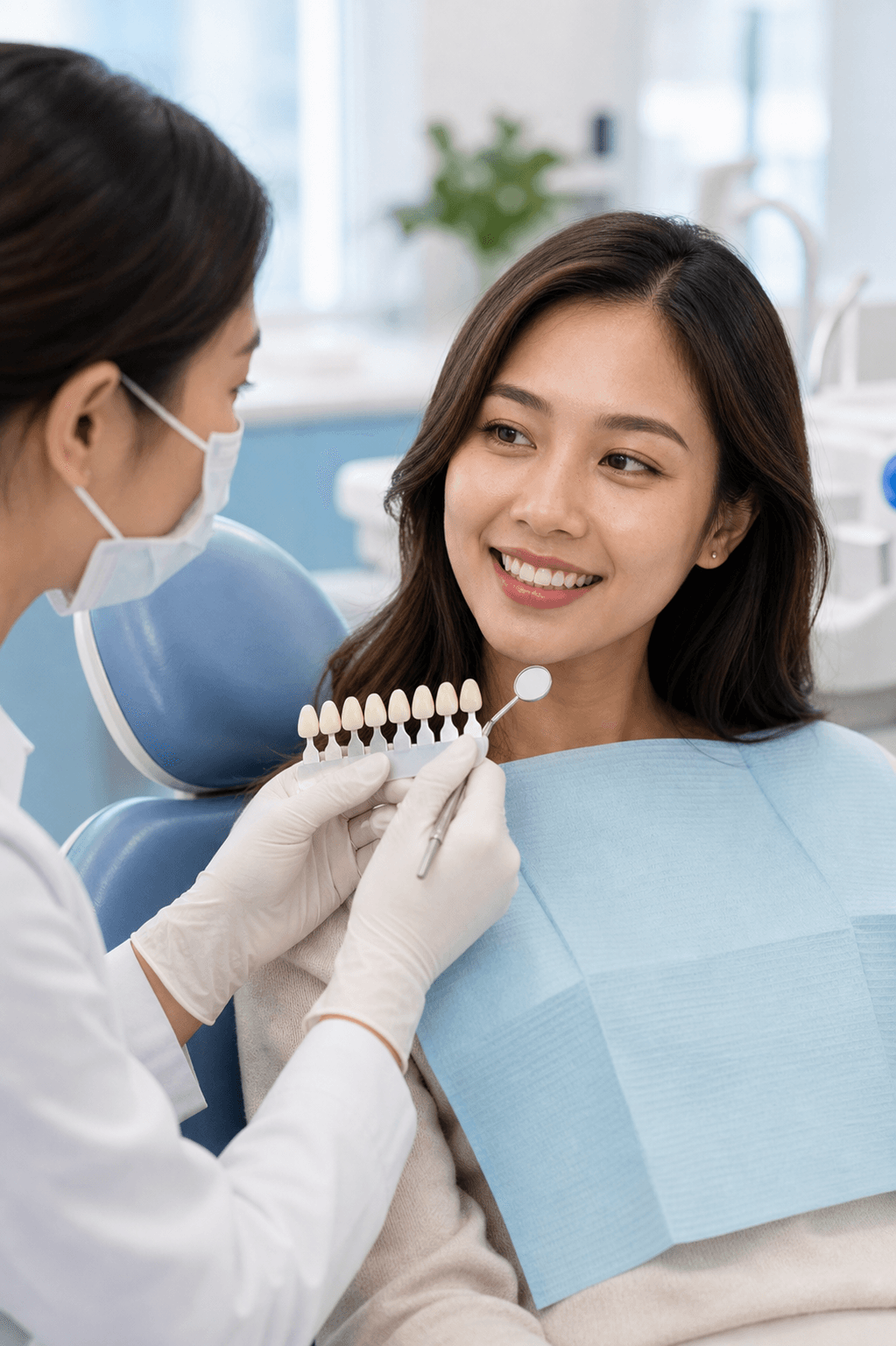
A proper assessment may include photographs, bite records, tooth eruption checks and X-rays where clinically needed. The purpose is to see the bite clearly, not to guess from the front teeth alone.
Process
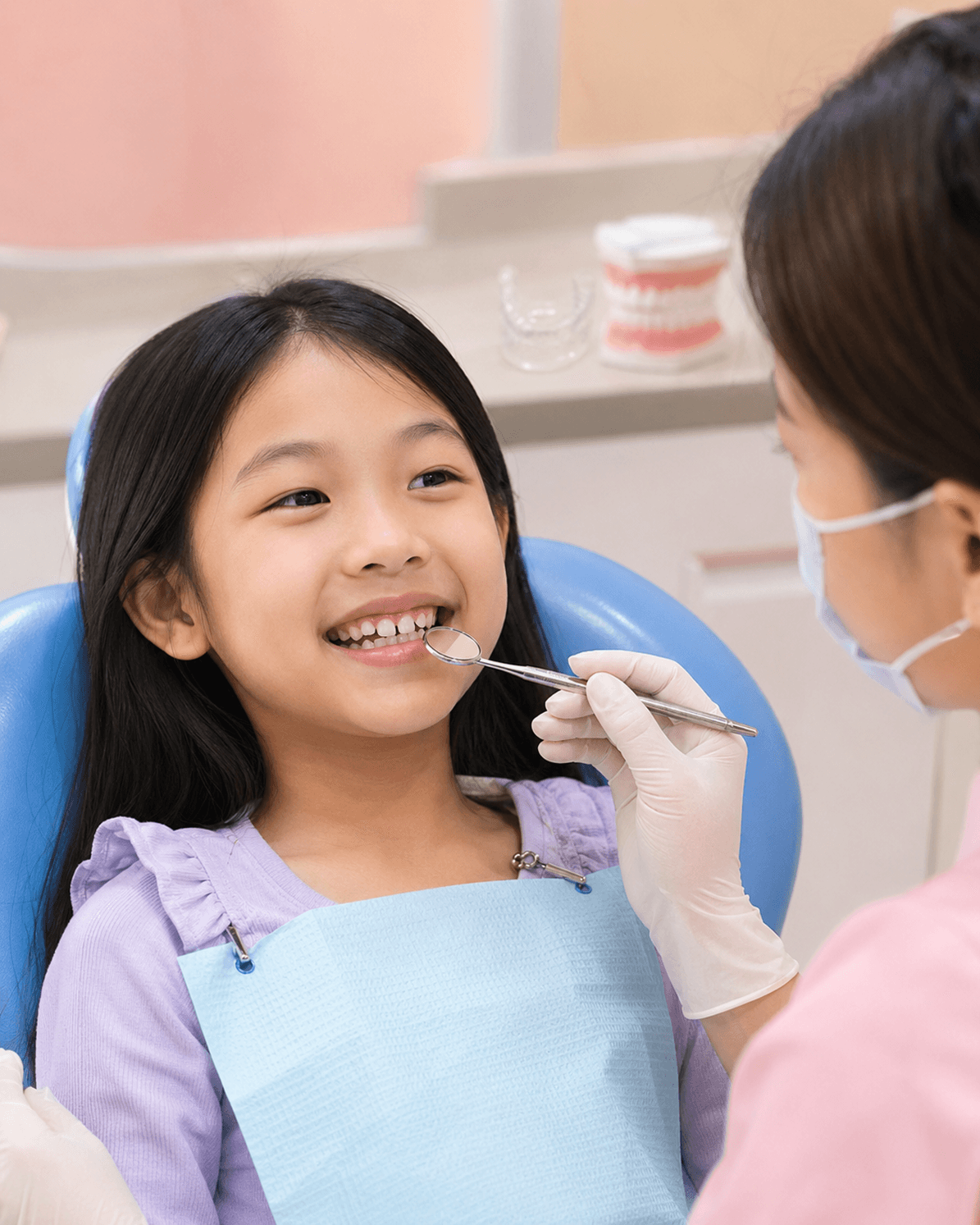
The dentist checks how the teeth meet, whether the jaws are developing evenly, whether oral habits are affecting growth and whether there is enough room for adult teeth. Parents are shown what matters now and what can be reviewed later.
Care
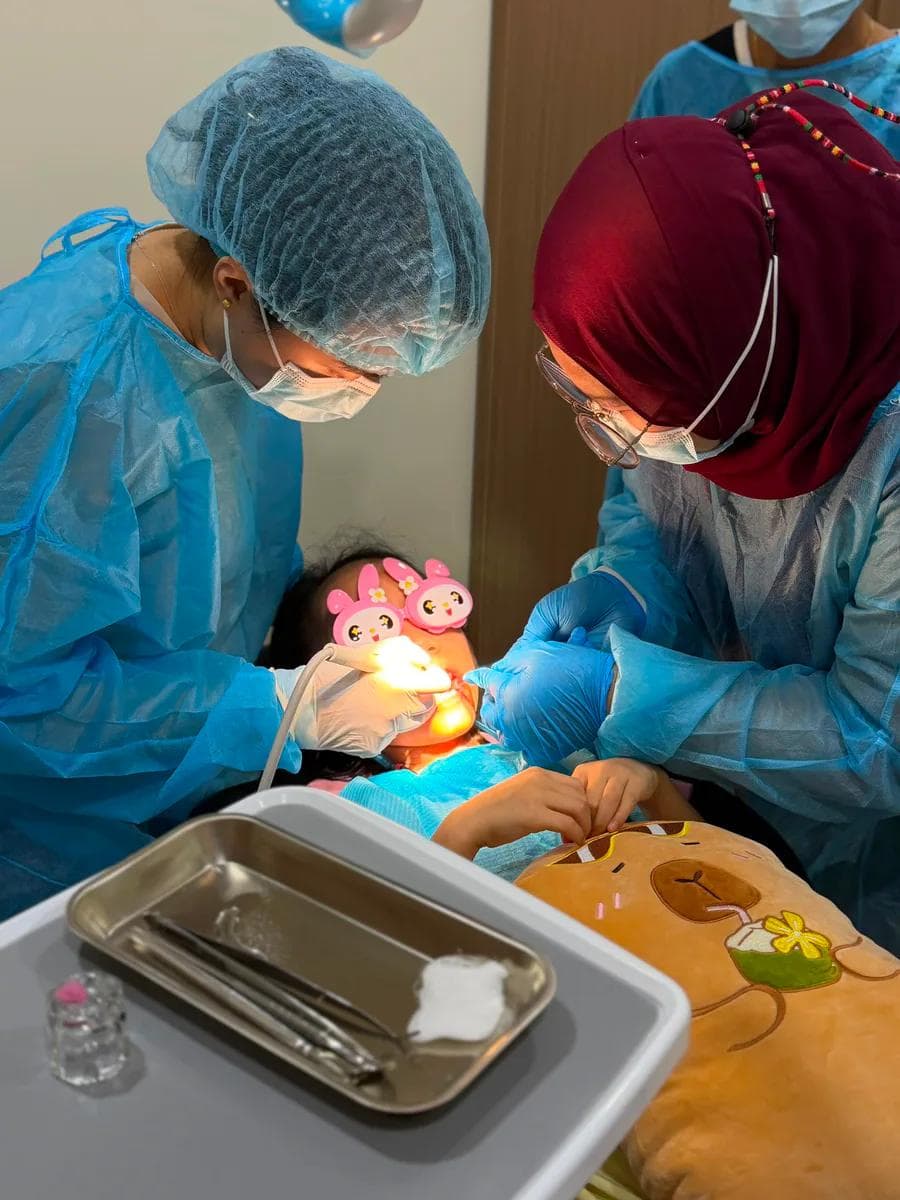
Children need simple explanations and a calm pace. Early bite checks should help the child feel safe while giving parents practical advice. If treatment is useful, the plan should be staged and easy to understand.
Does early jaw guidance replace braces?
Not always. Early guidance may reduce complexity for suitable children, but some children still need braces or clear aligners later when more adult teeth are present.
Think of early guidance as timing advice. It helps parents understand whether to monitor, guide growth, correct habits or prepare for future orthodontic treatment.
What happens during an early bite assessment?
- We ask about habits, breathing, sleep, chewing and any concerns you notice at home.
- We check tooth eruption, jaw growth, facial balance and how the bite closes.
- We explain whether your child needs monitoring, exercises, appliances, orthodontic timing advice or referral.
- We discuss follow-up timing so you are not left guessing for years.
Questions parents often ask
Is early jaw guidance painful?
The assessment itself is usually simple and child-paced. If treatment is recommended, the dentist explains what your child will feel and how to make the routine manageable.
Can we wait and see?
Sometimes yes. Monitoring is a valid plan when the bite is developing acceptably. The important part is knowing what signs would change the plan.
Will my child need retainers later?
If teeth are moved later with braces or aligners, retainers are usually needed to keep the result stable. You can read more about retainers and smile maintenance.
When should you book a consultation?
Book an early bite assessment if you notice crowding, crossbite, underbite, deep bite, mouth breathing, thumb sucking, tongue habits or a jaw shift. You can also book if you simply want to know whether your child's braces timing is still years away or worth planning now.
Aloha Dental sees children and families in Taman Pelangi, Johor Bahru. Start with our early jaw guidance page or browse all dental services in Johor Bahru.