When it comes to children's oral health, well-meaning advice is everywhere—from grandparents and friends to social media. While many of these beliefs have been passed down through generations, not all are supported by current scientific evidence. Here are some of the most common dental myths parents still believe, and what the evidence actually says.
Myth 1: "Baby teeth don't matter because they'll fall out anyway."
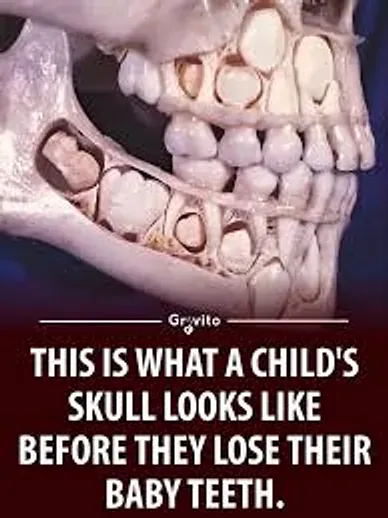
Almost every dentist has heard this phrase from a parent at some point: "They're only baby teeth—they'll fall out anyway." Although well intentioned, this belief is one of the biggest misconceptions in children's oral health.
Baby teeth are far more important than many people realise. They help children chew properly, speak clearly, maintain space for their future permanent teeth, and support healthy jaw development.
If a baby tooth is lost too early because of decay or infection, neighbouring teeth can drift into the empty space. This may leave insufficient room for the permanent tooth to erupt correctly, increasing the likelihood of crowding or the need for orthodontic treatment later.
Untreated decay in baby teeth can also cause pain, infection, difficulty eating, poor sleep, and reduced quality of life.
Healthy baby teeth lay the foundation for a healthy adult smile.
Myth 2: "Children don't need to see a dentist until all their permanent teeth come in."
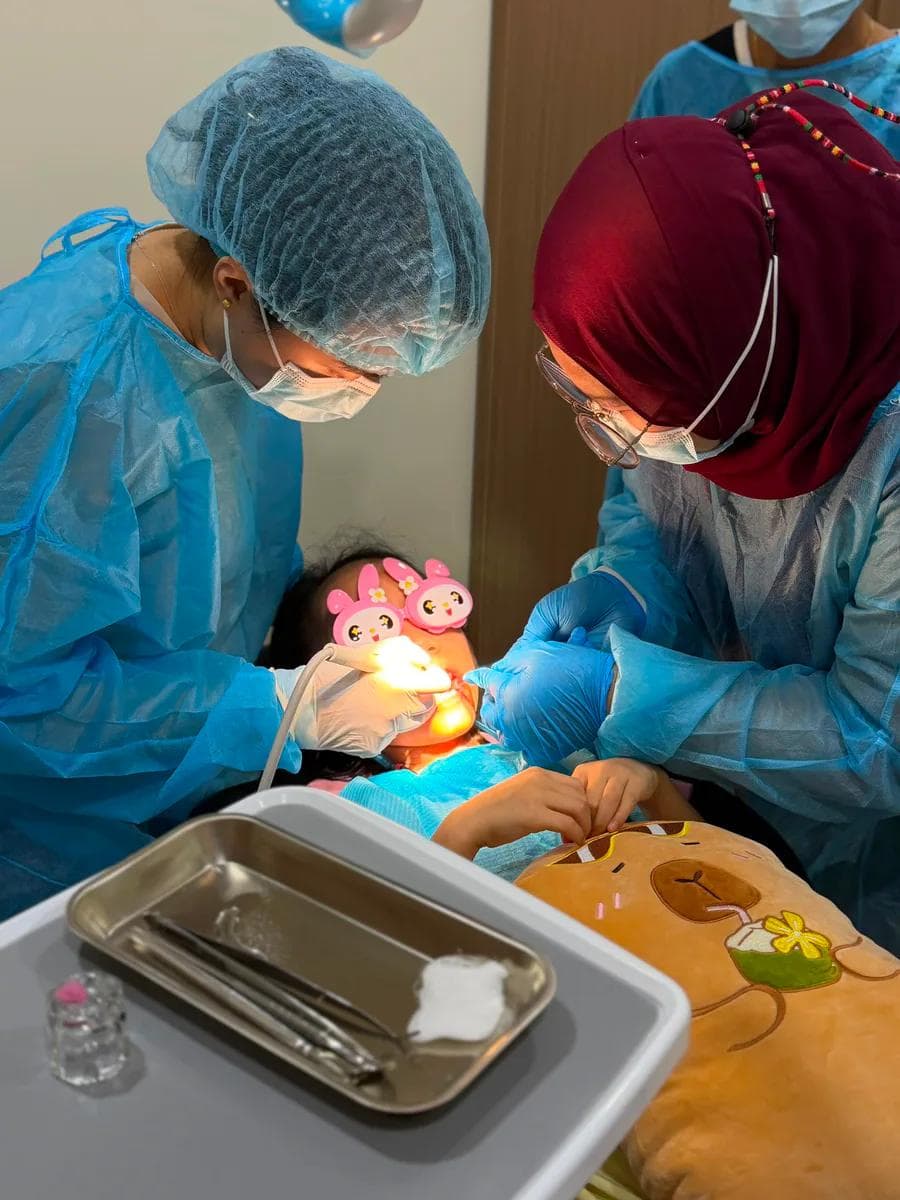
It often surprises families to learn that children should have their first dental visit by their first birthday, or within six months after the first tooth erupts.
Early visits are not just about checking for cavities. They allow dentists to:
- Monitor growth and development.
- Provide feeding and oral hygiene advice.
- Identify habits such as thumb sucking or prolonged pacifier use.
- Build a positive relationship with dental care from an early age.
Children who become familiar with dental visits early are often more confident and cooperative as they grow older.
Myth 3: "Crooked teeth can wait until the teenage years."
While braces are commonly associated with teenagers, not every orthodontic problem should wait.
Some bite problems are easier to manage while a child is still growing. Early assessment can identify issues such as crossbites, severe crowding, narrow upper jaws, or habits that may affect jaw development.
Early intervention does not necessarily mean braces immediately. In many cases, treatment simply involves monitoring growth or using simple appliances at the right stage of development.
The American Association of Orthodontists recommends that children receive their first orthodontic evaluation at around seven years of age, when developing bite and jaw growth problems can often be identified early.
Myth 4: "Sugar is the only cause of tooth decay."
Sugar certainly plays a major role, but it is not the whole story.
In Malaysia, tooth decay remains one of the most common chronic diseases affecting children, making prevention and early dental visits especially important.
Tooth decay occurs when bacteria in dental plaque feed on carbohydrates and produce acids that gradually dissolve tooth enamel.
What matters is not only how much sugar children consume, but also how often they snack throughout the day. Frequent sipping of sweet drinks, juice, flavoured milk, or constantly grazing on snacks keeps teeth under repeated acid attacks.
Limiting sugary snacks to mealtimes and encouraging water between meals can significantly reduce the risk of decay.
Myth 5: "Juices and sports drinks are healthier than soft drinks."

Many parents choose fruit juice because it sounds healthier.
While juice may contain vitamins, it also contains natural sugars and acids that can contribute to tooth decay and enamel erosion when consumed frequently.
Sports drinks, flavoured waters, and energy drinks are also surprisingly acidic and sugary.
Water remains the best drink for protecting children's teeth. Plain milk is another excellent option during meals.
Myth 6: "If my child isn't complaining of pain, everything must be fine."
Dental problems often develop silently.
Early tooth decay usually causes no pain at all. By the time a child starts complaining, the decay may already have reached the nerve, making treatment more complicated.
Similarly, developing bite problems, crowding, or jaw growth issues are often painless but become more difficult to correct if detected late.
Regular dental check-ups allow dentists to identify problems before symptoms appear, making treatment simpler, more comfortable, and often less expensive.
Myth 7: "Brushing harder cleans teeth better."
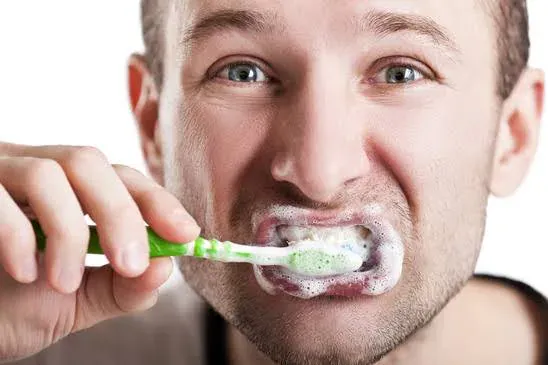
Many children—and adults—believe brushing harder means cleaner teeth.
In reality, aggressive brushing can wear away enamel, damage gums, and cause tooth sensitivity over time.
Effective brushing is about technique rather than force.
Parents should encourage children to brush gently using a soft-bristled toothbrush for two minutes twice a day with a pea-sized amount of fluoride toothpaste (1,000 ppm or higher, according to age recommendations).
Young children should also be supervised until they have developed sufficient hand coordination, usually around seven or eight years old.
Myth 8: "Straight teeth are only about appearance."

A beautiful smile is certainly a benefit, but orthodontic treatment is about much more than aesthetics.
Well-aligned teeth are generally easier to clean, which may reduce the risk of cavities and gum disease. Correcting bite problems can also improve chewing efficiency and reduce excessive wear on certain teeth.
Every child is different, and not every crooked tooth requires treatment. The goal is to achieve healthy function alongside a confident smile.
The Takeaway
Parenting comes with countless pieces of advice from family, friends, and the internet. While many suggestions are well intentioned, some long-standing dental myths may unintentionally delay important care.
The good news is that modern dentistry focuses on prevention, early detection, and minimally invasive treatment whenever possible.
Simple habits—regular brushing with fluoride toothpaste, limiting frequent sugary snacks and drinks, attending routine dental check-ups, and seeking professional advice early—can make a lifelong difference to a child's oral health.
Every healthy adult smile begins with healthy childhood habits. By replacing myths with evidence-based information and seeking professional advice early, parents can give their children the best chance of enjoying strong, healthy smiles for life.
References
- American Academy of Pediatric Dentistry. Best Practices: Perinatal and Infant Oral Health Care. American Academy of Pediatric Dentistry. Available at: https://www.aapd.org/research/oral-health-policies--recommendations/perinatal-and-infant-oral-health-care/
- American Academy of Pediatric Dentistry. Policy on Early Childhood Caries (ECC): Classifications, Consequences, and Preventive Strategies. American Academy of Pediatric Dentistry. Available at: https://www.aapd.org/research/oral-health-policies--recommendations/early-childhood-caries-classifications-consequences-and-preventive-strategies/
- American Association of Orthodontists. Why Age 7? American Association of Orthodontists. Available at: https://aaoinfo.org/whats-trending/why-age-7/
- World Health Organization. Oral Health. World Health Organization. Available at: https://www.who.int/health-topics/oral-health
- Oral Health Division. Oral Health Programme. Ministry of Health Malaysia. Available at: https://ohd.moh.gov.my
Disclaimer
This article is intended for general educational purposes only and should not be considered a substitute for professional dental advice, diagnosis, or treatment. Every child has unique oral health needs, and parents or caregivers are encouraged to consult a registered dentist for personalised assessment and recommendations. The information presented is based on current evidence and recognised clinical guidelines available at the time of writing.
About the Author
Dr Caren Lwi Yee Chin, DDS (UKM), MFDS RCSEd, is a general dental practitioner with a special interest in preventive and interceptive dentistry. She is passionate about helping families make informed decisions through evidence-based oral health education.